
Nestled between the golden sands of the Sahara and the cool waters of the Atlantic Ocean, Morocco is a country that enchants every traveler with its rich tapestry of culture, architecture, landscapes, and traditions. Known as the “Gateway to Africa,” this North African nation is a delightful blend of Arab, Berber, and European influences. From the vibrant souks of Marrakech to the tranquil blue streets of Chefchaouen, Morocco promises an experience that stirs the senses and soothes the soul.
A Land of Contrasts and Diversity:
One of the most captivating aspects of Morocco tourism is its diversity. The country offers a unique mix of ancient medinas, snow-capped mountains, golden deserts, and coastal cities. Every region has its own identity and charm.
In the north, the city of Tangier serves as a cultural bridge between Europe and Africa. Its historic Kasbah and views across the Strait of Gibraltar make it a fascinating entry point. Moving inland, Fès—one of the oldest imperial cities—preserves centuries-old traditions in its labyrinthine streets and is home to the world’s oldest university, the University of Al Quaraouiyine.
Further south, Marrakech, often called the “Red City,” dazzles with its lively markets, spice-filled air, and architectural wonders like the Koutoubia Mosque and Bahia Palace. The rhythmic beat of drums and the colorful chaos of Jemaa el-Fnaa Square make it one of the most iconic destinations in all of Africa.
The Enchanting Sahara Desert:
No trip to Morocco is complete without a journey into the Sahara Desert, one of the most mystical and awe-inspiring natural wonders on Earth. Travelers can embark on camel treks through the dunes of Merzouga or Zagora, watching as the sand glows orange under the setting sun. Spending a night in a desert camp beneath a canopy of stars is a memory that stays forever.
The desert experience also offers a glimpse into the Berber lifestyle, where hospitality is a way of life. Guests are welcomed with mint tea and traditional Moroccan meals while listening to stories and music around the campfire. The calmness of the desert contrasts beautifully with the bustling medinas, offering both adventure and tranquility in one trip.
Architectural Marvels and Historic Heritage:
Morocco’s history stretches back thousands of years, reflected in its well-preserved architecture and monuments. Each city carries echoes of its glorious past, from ancient mosques and palaces to vibrant medinas surrounded by high walls.
In Fès, visitors can wander through narrow lanes lined with workshops where artisans craft leather goods, ceramics, and brass lamps using age-old techniques. The Al-Attarine Madrasa showcases stunning tilework and carved cedar wood, symbolizing the city’s architectural mastery.
Meknès, another imperial city, is known for its monumental gates and grand structures like Bab Mansour, an architectural masterpiece built in the 18th century. Meanwhile, Rabat, the capital city, offers a blend of modernity and history, featuring landmarks such as the Hassan Tower, Kasbah of the Udayas, and the Royal Palace.
The Blue Pearl of Chefchaouen:
Tucked away in the Rif Mountains, the town of Chefchaouen is one of Morocco’s most photographed destinations. Famous for its blue-washed walls and serene atmosphere, Chefchaouen feels like a dream. Every corner is picturesque, with shades of blue symbolizing peace and spirituality.
The town offers a relaxing escape from the busy cities. Visitors can enjoy walking through cobblestone alleys, shopping for handmade wool garments, or sipping mint tea while overlooking mountain views. Chefchaouen is also a great base for hiking and exploring the nearby natural parks.
The Majestic Atlas Mountains:
Stretching across the heart of the country, the Atlas Mountains provide breathtaking scenery and countless opportunities for adventure. Divided into three ranges—High Atlas, Middle Atlas, and Anti-Atlas—these mountains are perfect for hiking, trekking, and discovering traditional Berber villages.
Mount Toubkal, the highest peak in North Africa, attracts climbers from around the world. The trails leading through valleys and waterfalls offer glimpses into local life, where villagers live simply and close to nature. In winter, the Oukaimeden Ski Resort near Marrakech surprises visitors with the chance to ski in Africa.
Coastal Charms: Essaouira and Agadir:
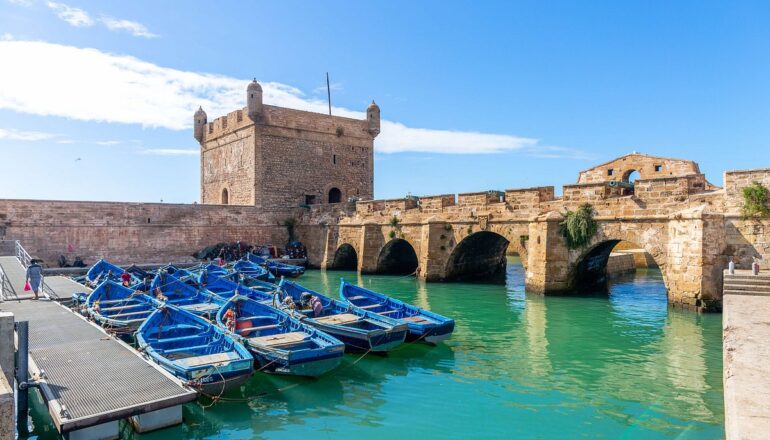
Morocco’s long Atlantic coastline adds yet another dimension to its tourism appeal. The charming port town of Essaouira is famous for its laid-back vibe, sea-breeze cafes, and historic medina. Its fortified walls and artistic spirit attract painters, musicians, and surfers alike.
Further south lies Agadir, a modern resort city known for its wide beaches, palm-lined promenade, and luxurious hotels. It’s ideal for relaxation, water sports, and enjoying Morocco’s sunshine. The combination of ocean views, fresh seafood, and cultural experiences makes these coastal cities perfect for unwinding after exploring the country’s inland treasures.
Flavors of Moroccan Cuisine:
Moroccan cuisine is a journey in itself—colorful, aromatic, and rich in flavor. Food plays a central role in Moroccan culture, and sharing a meal is an expression of hospitality.
Signature dishes like tagine, a slow-cooked stew made with meat, vegetables, and spices, capture the essence of Moroccan cooking. Couscous, often served with lamb or chicken, is a staple at family gatherings. Street foods such as briouats (savory pastries) and harira (a spiced lentil soup) are equally delicious.
And no Moroccan meal is complete without mint tea, lovingly referred to as “Moroccan whiskey.” It’s served with great ceremony and symbolizes friendship and warmth.
Festivals and Cultural Vibrancy:
Throughout the year, Morocco celebrates its heritage through lively festivals that attract visitors from across the globe. The Marrakech International Film Festival, the Fès Festival of World Sacred Music, and the Essaouira Gnaoua Music Festival highlight the country’s cultural and artistic richness.
Traditional crafts, music, and dance are deeply embedded in daily life. Visitors can witness mesmerizing belly dancing, Berber drumming, and colorful displays of Amazigh art. These cultural experiences connect travelers to Morocco’s soul, beyond its landscapes and monuments.
Shopping and Souks:
Exploring the bustling souks (markets) is one of the most exciting parts of Moroccan tourism. In cities like Marrakech and Fès, the narrow lanes are filled with the scent of spices, the shimmer of lanterns, and the vibrant colors of textiles and pottery.
Visitors can bargain for handwoven carpets, silver jewelry, leather bags, and ceramic dishes, all made by local artisans. Shopping in Morocco is not just a transaction—it’s a cultural exchange filled with laughter, tea, and stories.
Best Time to Visit Morocco:
Morocco can be visited year-round, but the best time depends on the region. Spring (March to May) and autumn (September to November) offer pleasant temperatures and clear skies, ideal for sightseeing. The desert is best visited from October to April, while the coastal areas remain enjoyable even in summer due to the cool ocean breeze.
Conclusion: The Magic of Morocco
Morocco is a destination that captures the heart and imagination. It’s a country where tradition meets modernity, where every scent, color, and sound tells a story. Whether wandering through ancient medinas, riding camels in the Sahara, or sipping tea overlooking blue mountain towns, visitors find themselves